

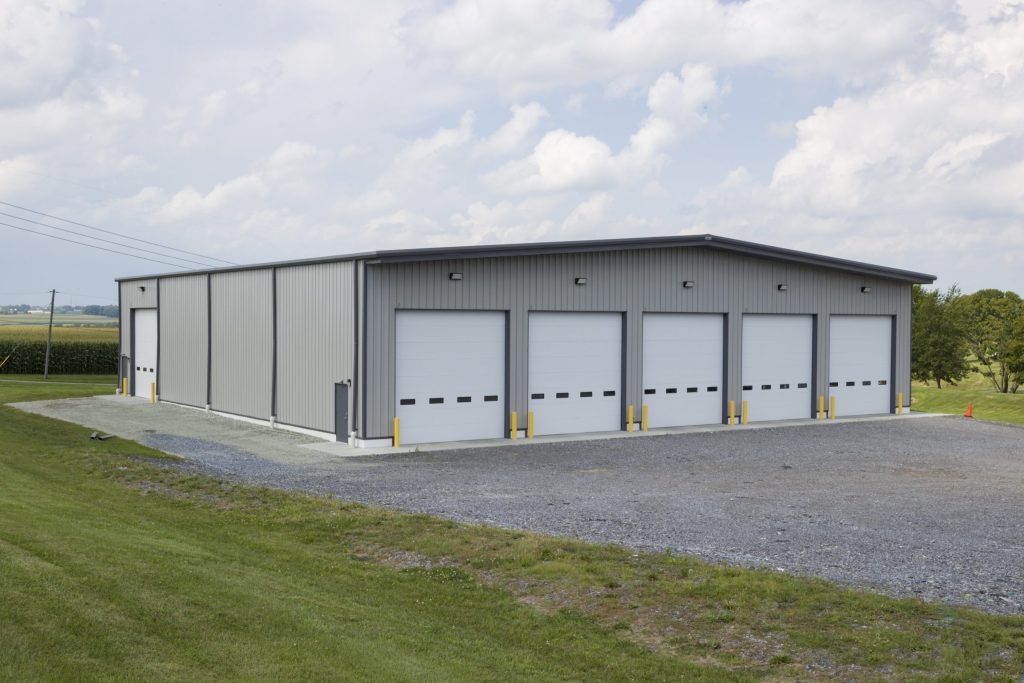
In the realm of commercial construction, terminology can sometimes be deceiving. Two terms frequently encountered are “commercial steel buildings” and “metal buildings.” While they share certain characteristics, key distinctions exist between these two categories. Understanding these differences is crucial for selecting the most suitable option for your specific project.
The Common Ground: Metal as a Foundation
At their core, both commercial steel buildings and metal buildings utilize metal as their primary structural material. This translates to advantages like:
- Durability: Metal offers exceptional resistance to harsh weather conditions, including strong winds, heavy snowfall, and even seismic activity.
- Low Maintenance: Unlike wood, metal requires minimal upkeep.
- Versatility: Metal buildings can be readily customized to various sizes and configurations to suit diverse needs
. - Sustainability: Steel, the primary metal in commercial steel buildings, is 100% recyclable, making it an environmentally friendly choice.
Delving Deeper: The Distinguishing Factors
Here’s where the crucial distinctions between commercial steel buildings and metal buildings come into play:
- Material Composition:
- Commercial Steel Buildings: As the name suggests, these structures primarily use structural steel. This high-strength, hot-rolled steel boasts superior load-bearing capacity and is engineered to adhere to stringent building codes.
- Metal Buildings: This broader category encompasses a wider range of metals. While steel is often used, thinner gauge metals like cold-formed steel or galvanized steel are also common. These materials are suitable for less demanding applications due to their lighter weight and lower load capacity.
- Structural Design:
- Commercial Steel Buildings: These buildings are designed with a rigid steel frame. This framework consists of robust columns, beams, and trusses, meticulously engineered to withstand significant weight and expansive clear spans (large open areas without support pillars).
- Metal Buildings: Metal buildings often employ a post-frame construction This approach utilizes lighter-weight metal posts buried into the ground and connected with horizontal beams. While effective for smaller structures or storage facilities, post-frame buildings may not be suitable for applications requiring extensive open space or heavy loads.
- Complexity and Customization:
- Commercial Steel Buildings: Due to the intricate engineering involved, commercial steel buildings offer a higher degree of customization. Architects can design them to incorporate features like mezzanines, skylights, and unique architectural elements.
- Metal Buildings: Metal buildings generally offer less intricate designs. While some customization is possible, the focus lies on functionality and affordability.
- Construction Process:
- Commercial Steel Buildings: The construction of these buildings typically involves a more complex process. Heavy machinery like cranes is often necessary due to the substantial weight of the structural steel components. Qualified professionals are required for assembly to ensure the structural integrity of the building.
- Metal Buildings: Metal buildings can often be constructed with less specialized equipment. Their lighter components may allow for assembly using forklifts or similar machinery. However, following proper construction procedures is still crucial.
- Cost:
- Commercial Steel Buildings: Due to the robust materials and intricate engineering involved, commercial steel buildings generally have a higher initial cost compared to metal buildings.
- Metal Buildings: Metal buildings, particularly those using lighter gauge metals and simpler designs, are often the more cost-effective option.
Choosing the Right Fit: A Project-Centric Approach
Understanding these distinctions empowers you to make an informed decision based on your specific requirements:
- Large-scale projects requiring expansive open areas and superior load-bearing capacity: Opt for a commercial steel building.
- Smaller structures with a focus on cost-effectiveness and functionality: A metal building might be a suitable choice.













Leave a Reply