

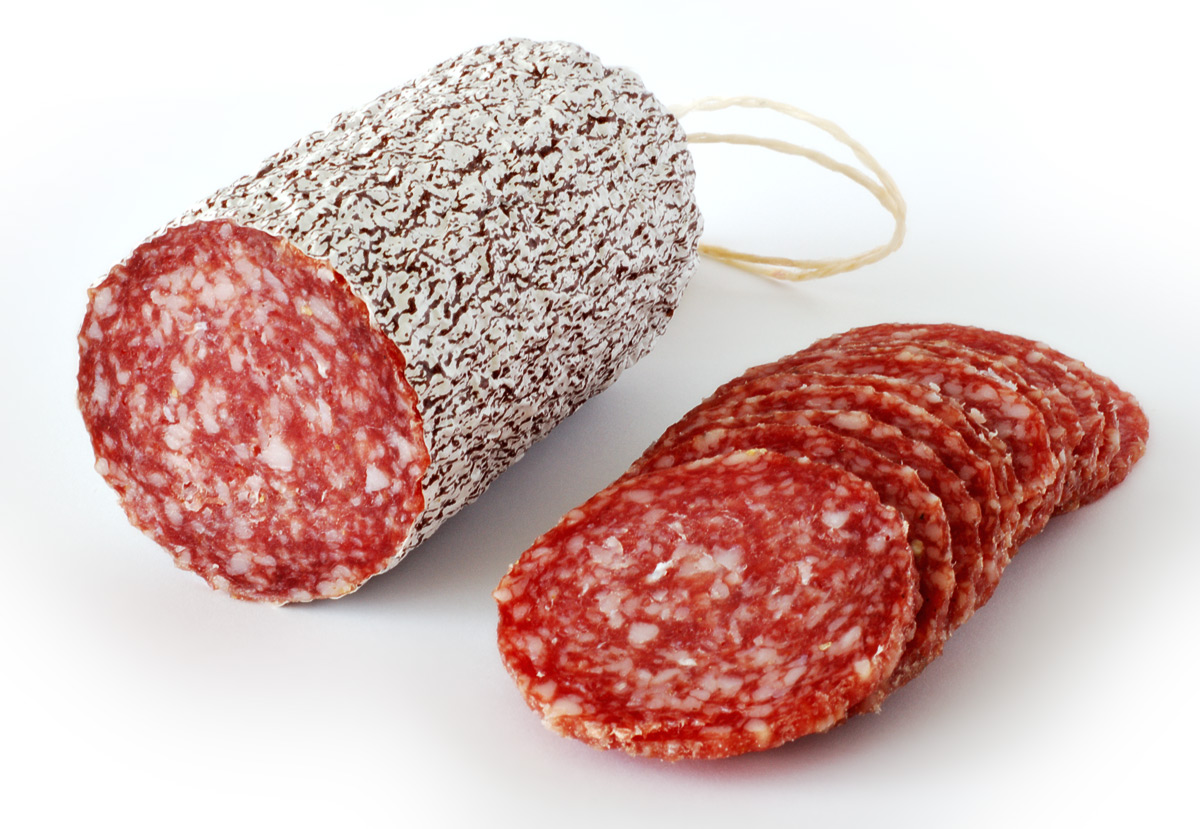
Salami is a type of cured sausage that has been enjoyed for centuries. With its rich flavor and versatility, it is a staple in many culinary traditions around the world. This article will delve into the history, types, preparation methods, and frequently asked questions about salami.
History of Salami
The origins of salami date back to ancient Rome. The word “salami” comes from the Italian word “salare,” which means to salt. Salting meat was a crucial method for preservation before the advent of refrigeration. Over time, various regions in Italy and other parts of Europe developed their unique styles and recipes for salami, leading to a wide variety of flavors and textures.
Regional Varieties
- Italian Salami: Italy is renowned for its salami varieties, including Genoa, Milano, and Napoli salami. Each region has its specific recipe, ingredients, and curing methods.
- French Salami: Known as “saucisson,” French salami varieties like Saucisson Sec are also popular. These are often seasoned with herbs and spices like garlic and black pepper.
- Spanish Salami: Chorizo, a type of Spanish salami, is made with pork and flavored with paprika, which gives it a distinct red color and spicy flavor.
Types of Salami
Salami can be categorized based on several factors, including the type of meat used, the curing process, and the seasoning. Here are some of the most common types:
By Meat Type
- Pork Salami: The most traditional and widely consumed type, made primarily from pork.
- Beef Salami: Popular in various cultures, especially among those who do not consume pork for religious reasons.
- Turkey Salami: A leaner alternative to pork and beef, often chosen by those seeking a healthier option.
By Curing Process
- Dry-Cured Salami: This type of salami is cured without heat, relying on salt and air drying to preserve the meat. Examples include Genoa and Soppressata.
- Cooked Salami: Also known as hot-cured salami, this type is cooked during the curing process. Mortadella is a well-known example.
- Smoked Salami: This type undergoes a smoking process that adds a distinct smoky flavor. Kielbasa and some varieties of Hungarian salami fall into this category.
By Seasoning
- Herbed Salami: Seasoned with various herbs such as rosemary, thyme, and fennel.
- Spiced Salami: Includes a variety of spices like black pepper, red pepper flakes, and garlic.
- Wine and Cheese Salami: Infused with wine or mixed with cheese, adding unique flavors to the meat.
Preparation of Salami
The process of making salami involves several steps, each crucial to developing its distinct flavor and texture.
Ingredients
- Meat: Typically pork, but beef, turkey, or a mixture can be used.
- Fat: Often pork fatback, which helps in maintaining the texture and flavor.
- Seasonings: Including salt, spices, herbs, and sometimes wine.
- Starter Culture: Bacteria that help in the fermentation process, enhancing flavor and preservation.
Steps
- Grinding: The meat and fat are ground to the desired consistency.
- Mixing: The ground meat is mixed with seasonings and starter culture.
- Stuffing: The mixture is stuffed into casings, which can be natural or synthetic.
- Fermentation: The stuffed salami is hung in a controlled environment to ferment, which can take several days to weeks.
- Drying: After fermentation, the salami is dried for weeks or even months, depending on the type.
- Aging: Some salami varieties undergo additional aging to develop deeper flavors.
Nutritional Information
Salami is rich in protein and fat, making it a high-energy food. However, it is also high in sodium and should be consumed in moderation.
| Nutrient | Amount per 100g |
|---|---|
| Calories | 400 kcal |
| Protein | 22g |
| Fat | 33g |
| Saturated Fat | 12g |
| Sodium | 1600mg |
| Carbohydrates | 1g |
Frequently Asked Questions (FAQs)
What is the best way to store salami?
Salami should be stored in a cool, dry place. Once opened, it is best kept in the refrigerator, wrapped in parchment paper or a clean cloth to allow it to breathe.
Can salami be eaten raw?
Yes, dry-cured salami can be eaten without cooking. However, cooked or hot-cured salami should be cooked before consumption.
How long does salami last?
Unopened dry-cured salami can last several months if stored properly. Once opened, it should be consumed within 2-3 weeks. Cooked salami has a shorter shelf life and should be consumed within a week of opening.
Is salami healthy?
Salami is high in protein and fat but also contains a significant amount of sodium. It can be part of a balanced diet if consumed in moderation.
What are some popular dishes that use salami?
Salami is a versatile ingredient used in various dishes, including:
- Pizza: Often used as a topping.
- Sandwiches: Adds flavor and texture.
- Charcuterie Boards: Paired with cheese, fruits, and nuts.
- Pasta: Adds a savory element to pasta dishes.
- Salads: Can be used to add protein and flavor to salads.
Conclusion
Salami is a beloved cured meat with a rich history and a wide variety of types and flavors. Whether enjoyed on its own, as part of a charcuterie board, or incorporated into dishes, salami offers a unique taste experience. Understanding its preparation, types, and nutritional aspects can enhance your appreciation of this timeless delicacy.













Leave a Reply