

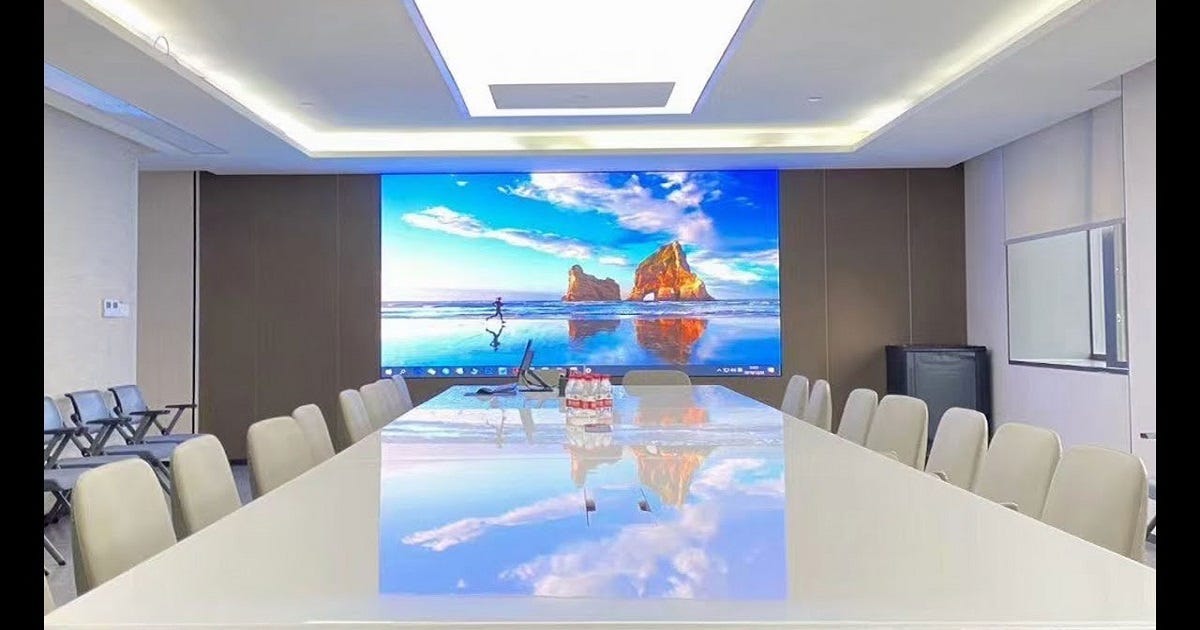
SMD screens, also known as Surface-Mounted Device screens, are a type of LED (Light-Emitting Diode) display technology rapidly transforming the visual landscape. From captivating billboards to high-resolution TVs, SMD screens are revolutionizing how we experience visual information. This article delves into the world of SMD screens, exploring their inner workings, advantages, applications, and frequently asked questions.
Decoding SMD Technology: A Peek Inside
An SMD screen is essentially a giant mosaic composed of tiny LED lights. Each LED acts as a pixel, illuminating with a specific color to create the overall image. Unlike traditional Through-Hole Mounted (THT) LEDs with bulky legs, SMD LEDs are surface-mounted, meaning they have flat, solderable pads that attach directly to the circuit board.
This compact design allows for:
- Higher Pixel Density: By minimizing the space between LEDs, SMD screens pack more pixels into a smaller area. This translates to sharper, higher-resolution visuals.
- Lighter and Thinner Displays: The elimination of bulky legs makes SMD screens significantly lighter and thinner compared to THT LED displays.
- Enhanced Viewing Experience: The closer proximity of LEDs in SMD screens reduces the viewing distance required for optimal image clarity.
Unveiling the Advantages of SMD Screens
SMD technology offers several advantages over traditional display options, making it a preferred choice for various applications. Here’s a breakdown of its key benefits:
- Superior Image Quality: High pixel density translates to sharper, more detailed images with richer colors and deeper blacks.
- Wider Viewing Angles: SMD screens boast excellent viewing angles, ensuring consistent image quality from various positions. This is particularly beneficial for large displays viewed by a wide audience.
- Increased Brightness and Contrast: SMD LEDs offer superior brightness and contrast levels, making content easily visible even in brightly lit environments.
- Lightweight and Slim Design: The compact nature of SMD technology allows for lightweight and slim displays, ideal for wall-mounted applications or integration into portable devices.
- Energy Efficiency: Compared to traditional displays, SMD screens consume less power, making them a more environmentally friendly option.
- Durability and Long Lifespan: SMD LEDs are known for their durability and long lifespan, offering reliable performance for extended periods.
- Scalability and Customization: SMD screens can be scaled to various sizes and customized with different pixel pitches to suit specific needs.
Applications of SMD Screens: Illuminating Diverse Needs
The versatility of SMD screens has led to their widespread adoption across various industries. They are commonly used in:
- Digital Signage and Advertising: High brightness, wide viewing angles, and vibrant colors make SMD screens ideal for captivating digital signage and advertising displays in retail stores, airports, transportation hubs, and public spaces.
- Large Video Walls and Displays: SMD technology allows for the creation of seamless, large-scale video walls used for conferences, exhibitions, live events, and control rooms.
- Commercial and Residential Displays: From high-end TVs to video conferencing monitors, SMD screens are increasingly featured in commercial and residential settings due to their superior image quality.
- Information Displays and Public Ticker Boards: SMD screens display real-time information, flight schedules, stock updates, and news in airports, railway stations, and public areas.
- Indoor Applications: With their high brightness and viewing angles, SMD screens are well-suited for indoor applications like conference rooms, auditoriums, and control centers.
- Outdoor Applications: Weatherproof and high-brightness SMD screens are ideal for outdoor applications like billboards, building facades, and stadium displays.
Understanding Pixel Pitch: A Measure of Resolution
Pixel pitch refers to the distance between the centers of two individual LEDs in an SMD screen. A smaller pixel pitch signifies a higher pixel density and, consequently, a sharper image. Here’s a table outlining the common pixel pitch ranges and their typical applications:
| Pixel Pitch (mm) | Application |
|---|---|
| Above 10 | Large outdoor displays viewed from a distance |
| 6-10 | Outdoor displays with moderate viewing distances |
| 3-6 | Indoor displays for public viewing areas |
| Below 3 | High-resolution indoor displays for close viewing |
FAQs: Answering Your Questions About SMD Screens
- Are SMD screens better than LCD or OLED screens?
SMD screens offer several advantages over LCD and OLED screens, including higher brightness, wider viewing angles, and potentially longer lifespans. However, the best choice depends on the specific application. For instance, LCD screens might be more cost-effective for some applications, while OLED screens offer superior contrast levels.
- Do SMD screens require special maintenance?
SMD screens generally require minimal maintenance. However, it’s crucial to avoid touching the LED surface directly, as oils from your fingers can damage the LEDs












Leave a Reply