

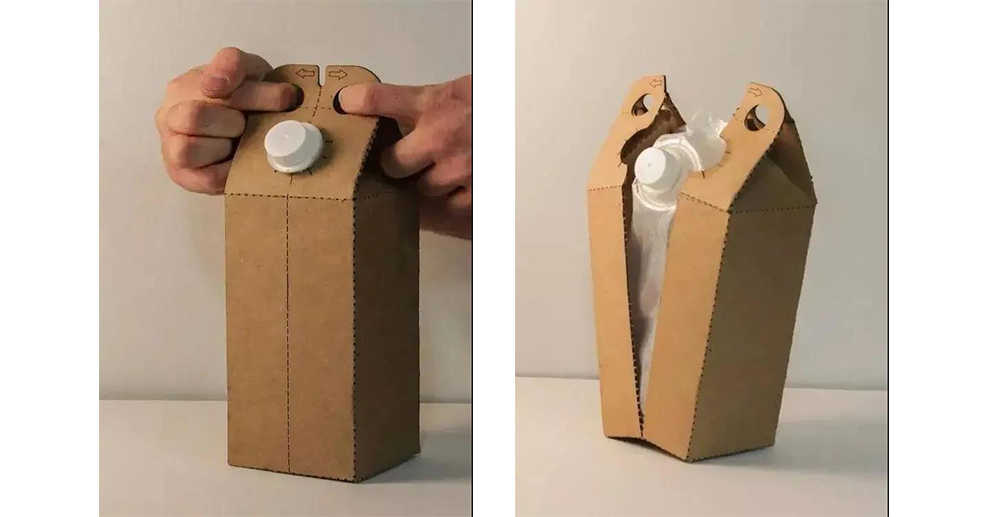
In the ongoing battle for environmental sustainability, the spotlight is on packaging materials. With plastic pollution reaching alarming levels, there’s a growing push to find eco-friendly alternatives. Cardboard, particularly in the form of tube packaging, is emerging as a promising contender. But will cardboard, specifically kraft tube packaging, be able to completely replace plastic? Let’s delve into the world of packaging and explore the potential of cardboard in becoming the eco-champion of the packaging industry.
The Plastic Predicament
Plastic has long been the king of packaging materials due to its versatility, durability, and cost-effectiveness. However, its indestructible nature poses a grave threat to the environment. According to the United Nations Environment Programme, approximately 8.3 billion tons of plastic have been produced since the early 1950s, and a staggering 79% of that has accumulated in landfills or the natural environment. Plastic pollution not only harms wildlife but also contaminates the air, water, and soil.
The Rise of Cardboard Packaging
In the face of these alarming statistics, cardboard packaging has emerged as a potential solution. Cardboard, made from paper, is not only renewable but also biodegradable and recyclable. The introduction of tube packaging, especially kraft tube packaging, is transforming the way we think about packaging. Tube packaging offers a sustainable alternative for a wide range of products, from cosmetics to food items.
The Environmental Impact
The environmental benefits of cardboard packaging, particularly kraft tube packaging, cannot be overstated. Unlike plastic, cardboard is biodegradable and breaks down naturally over time. According to the Fibre Box Association, over 90% of cardboard packaging is recycled, making it one of the most recycled packaging materials. This significantly reduces the amount of waste sent to landfills and minimizes the overall carbon footprint.
Consumer Preference
Consumer preferences are also shifting towards eco-friendly options. A study conducted by Deloitte found that 57% of consumers are willing to pay more for sustainable packaging. This shift in consumer behavior is driving companies to explore more sustainable packaging solutions. Kraft tube packaging not only appeals to eco-conscious consumers but also adds a premium touch to the product.
The Cost Factor
One of the main reasons plastic has been the preferred choice for packaging is its low cost. However, advancements in cardboard manufacturing technology have made cardboard packaging, including kraft tube packaging, more cost-competitive. As demand for eco-friendly packaging grows, economies of scale are likely to drive the cost of cardboard packaging even lower, making it a viable alternative to plastic.
Innovations in Tube Packaging
Tube packaging has come a long way from its traditional uses. Previously, it was primarily used for products like toothpaste and ointments. However, with the introduction of kraft tube packaging, its applications have expanded significantly. From cosmetics to gourmet foods, kraft tube packaging offers a unique and environmentally friendly packaging solution. Its versatility, combined with its eco-friendly credentials, makes it an attractive option for both businesses and consumers.
The Role of Regulations
Regulations and government policies also play a crucial role in driving the shift from plastic to cardboard packaging. Many countries have already implemented restrictions on single-use plastics, paving the way for more sustainable alternatives. For instance, the European Union has passed legislation to ban certain single-use plastic items by 2021. Such regulations create a conducive environment for the widespread adoption of cardboard packaging.
The Impact on the Packaging Industry
The rise of cardboard packaging, especially kraft tube packaging, is reshaping the packaging industry. According to Smithers, the global market for paper and paperboard packaging was valued at $362.4 billion in 2019 and is expected to reach $447.6 billion by 2024. This growth is largely driven by the demand for sustainable packaging solutions. As a result, many packaging companies are investing in research and development to enhance the quality and durability of cardboard packaging.
Challenges Ahead
While cardboard packaging holds great promise, it is not without its challenges. One of the main concerns is the durability of cardboard compared to plastic. Plastic offers superior protection, especially for fragile or perishable items. However, advancements in cardboard manufacturing are gradually closing this gap. Additionally, there is still a need for more widespread recycling infrastructure to support the shift towards cardboard packaging.
Conclusion
In conclusion, the rise of cardboard packaging, particularly kraft tube packaging, represents a significant step towards a more sustainable future. With the detrimental effects of plastic pollution becoming increasingly evident, there is a growing demand for eco-friendly alternatives. Cardboard packaging offers a renewable, biodegradable, and recyclable solution that appeals to both businesses and consumers. While it may not completely replace plastic, it is certainly a step in the right direction. With continued innovation and investment in recycling infrastructure, cardboard packaging has the potential to become the new standard in the packaging industry. The future is looking greener, one kraft tube at a time.

















Leave a Reply