

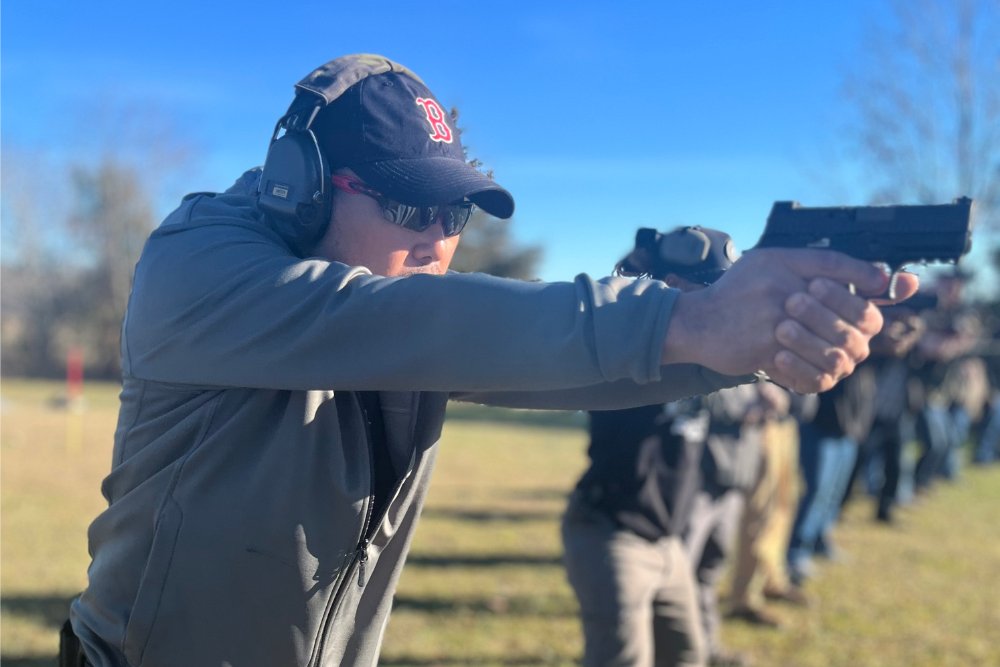
Maryland offers comprehensive firearms training for beginners and experienced users looking to learn about firearms and be ready to operate them when necessary. This state has some of the best courses tailored to ensure safety and proficiency in handling firearms, such as Fortress Training or others. Maryland’s training programs cater to various needs and skill levels, from basic handgun safety to advanced tactical shooting. Completing this training makes you eligible to apply for your permit to carry in Maryland.
Instructors in Maryland prioritize hands-on learning experiences. Classes often include a mix of classroom instruction and practical shooting exercises. This approach helps participants feel more comfortable and confident with their firearms.
Whether someone is seeking a concealed carry permit or just aiming to enhance their skills, Maryland’s firearms training programs provide valuable knowledge and practice. These courses are designed to ensure that everyone, from novices to seasoned shooters, understands the importance of safe firearms handling and operation.
Maryland Firearms Training Overview
Maryland firearms training is essential for anyone wishing to handle or own a firearm. This includes detailed steps and regulations that must be followed for both training and certification.
Training Requirements
Anyone seeking a handgun qualification license (HQL) in Maryland must complete a certified firearms training course. This course usually lasts six to eight hours and covers a variety of topics.
The training includes safety instruction, operational mechanics, state laws, and basic shooting techniques. Participants must pass a live-fire exercise where they demonstrate safe handling and operation of a firearm. Instructors must be certified by the Maryland State Police (MSP).
There are exemptions for certain individuals, including active military members, law enforcement officers, and those who previously owned a regulated firearm. Training courses are available at many shooting ranges, licensed training centers, and professionals across the state.
Certification Process
After completing the training, individuals must apply for an HQL through the Maryland State Police. The application process includes submitting fingerprints and a background check.
Steps to certification:
- Complete the required training course.
- Submit an online application.
- Provide electronic fingerprints.
- Pass a background check.
The application fee is approximately $50, and the process can take up to 30 days. Maryland requires individuals to renew their HQL every ten years, ensuring that they stay updated on any changes in firearm laws and safety protocols.
Applicants need to keep copies of their completion certificates and other relevant documents for future reference.
Advanced Training Courses
Advanced training courses in Maryland cover key areas such as defensive pistol techniques, tactical rifle handling, and important considerations for concealed carry. These courses are designed for those looking to sharpen their skills and ensure safe, effective firearm usage.
Defensive Pistol Training
Defensive pistol training focuses on handling a handgun in real-life defensive situations. Students learn situational awareness, quick draw techniques, and target acquisition under stress.
Classes often include:
- Shooting from various positions (standing, kneeling)
- Engaging multiple targets
- One-handed shooting
- Reloading under pressure
Instructors emphasize accuracy and reliability to prepare anyone for potential threats. This course is recommended for civilians, law enforcement officers, and many more professions.
Tactical Rifle Training
Tactical rifle training covers the safe and effective use of rifles in high-pressure situations. Key components of this training include:
- Proper stance and grip
- Rapid target engagement
- Transitioning between rifle and handgun
- Shooting from cover
Participants also practice moving and shooting, which enhances their ability to stay protected while returning fire. This training is useful for home defense or professional applications.
Concealed Carry Considerations
Preparing for concealed carry involves understanding both the legal and practical aspects. This part of the course covers:
- Choosing the right holster and clothing
- Maintaining firearm concealment
- Legal use of deadly force
- Safety protocols while carrying
Students practice drawing from concealment and aim to integrate carrying seamlessly into daily life. The goal is to ensure safety and preparedness without drawing unwanted attention.













Leave a Reply