

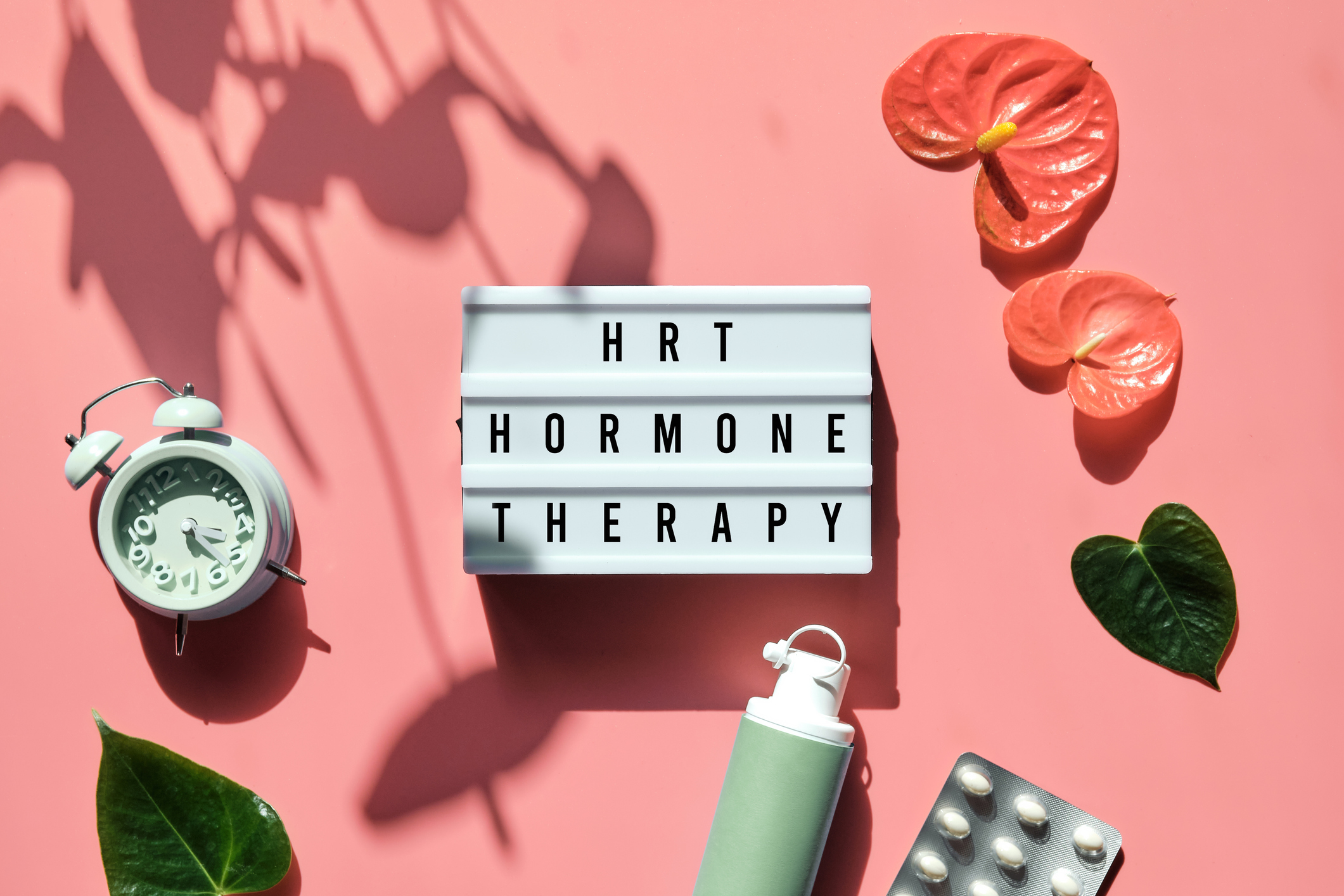
Hormone Replacement Therapy (HRT) has become an increasingly popular option for individuals experiencing hormonal imbalances, particularly during menopause. By restoring hormone levels to their natural balance, HRT can alleviate many of the uncomfortable symptoms associated with aging and hormonal decline. If you’re considering this treatment, it’s crucial to understand how it works, who it benefits most, and what potential risks may be involved. Many women have found relief and renewed vitality through HRT therapy, especially when guided by professionals who specialize in personalized wellness plans.
What Is HRT Therapy?
Hormone Replacement Therapy involves supplementing the body with hormones that are no longer being produced in adequate amounts. Most commonly, HRT is used to treat symptoms of menopause in women, such as hot flashes, night sweats, mood swings, and vaginal dryness. The therapy can also help prevent osteoporosis, a condition that causes bones to become weak and brittle.
There are different types of HRT:
- Estrogen-only therapy – generally prescribed for women who have had a hysterectomy.
- Combination therapy – includes both estrogen and progesterone, typically for women who still have a uterus.
- Bioidentical hormone therapy – uses plant-derived hormones that are chemically identical to those the human body produces.
The choice of therapy often depends on individual health needs, medical history, and the severity of symptoms.
Who Can Benefit from HRT?
While HRT is primarily associated with menopausal women, it can be beneficial for a range of individuals experiencing hormonal deficiencies. Some of the most common candidates include:
- Perimenopausal and menopausal women: To reduce symptoms like mood swings, sleep disturbances, and hot flashes.
- Women with premature menopause or ovarian insufficiency: To prevent long-term health risks such as heart disease and bone loss.
- Men with low testosterone levels: Often called testosterone replacement therapy (TRT), this is a form of HRT used in men to treat fatigue, decreased libido, and muscle loss.
It’s important to consult with a qualified healthcare provider who can perform the necessary hormone level testing and customize a treatment plan that fits your specific needs.
Key Benefits of HRT Therapy
The advantages of undergoing HRT can be life-changing for many people. These benefits often include:
1. Symptom Relief
The most immediate benefit is a significant reduction in menopausal symptoms such as night sweats, hot flashes, and mood instability. This can improve overall quality of life and mental health.
2. Bone Health
Estrogen plays a critical role in maintaining bone density. HRT can reduce the risk of fractures and osteoporosis in postmenopausal women.
3. Heart Health
There is evidence suggesting that starting HRT around the onset of menopause may reduce the risk of heart disease. However, the relationship between HRT and cardiovascular health is complex and should be evaluated individually.
4. Cognitive Function
Some studies suggest HRT may help maintain cognitive functions and reduce the risk of neurodegenerative diseases such as Alzheimer’s when started early in menopause.
Are There Any Risks?
Like all medical treatments, HRT comes with potential risks, particularly when used long-term or without proper medical oversight. Possible risks include:
- Increased risk of blood clots and stroke
- Elevated risk of certain types of cancer (e.g., breast and endometrial cancer)
- Gallbladder disease
- Mood changes or depression
However, these risks can often be mitigated with personalized treatment plans, careful monitoring, and using the lowest effective dose for the shortest time necessary.
Getting Started with HRT
Before beginning HRT, it’s essential to undergo comprehensive hormone testing and discuss your medical history with a knowledgeable practitioner. You’ll want to choose a clinic that focuses on personalized care, ongoing monitoring, and holistic wellness. Clinics like Results Medical Aesthetics specialize in crafting individualized treatment protocols that prioritize safety, effectiveness, and overall well-being.
Treatment may involve regular consultations, follow-up lab work, and adjustments to dosage or hormone type depending on how your body responds. In many cases, patients begin to feel the positive effects of HRT within a few weeks.
Final Thoughts
Hormone Replacement Therapy can be a transformative option for those dealing with the symptoms of hormonal imbalance. While it’s not a one-size-fits-all solution, modern advances in testing and bioidentical hormones have made it safer and more customizable than ever. Whether you’re navigating menopause or another hormonal challenge, HRT may offer the relief and rejuvenation you need to reclaim your quality of life.
Always consult with a trusted medical provider to determine whether HRT is right for you and to ensure your treatment plan is safe and tailored to your unique needs.
Also Read: Best Home Remedies for Headache – Natural Relief Without Medicine for more simple tips to stay healthy at home.

















Leave a Reply