

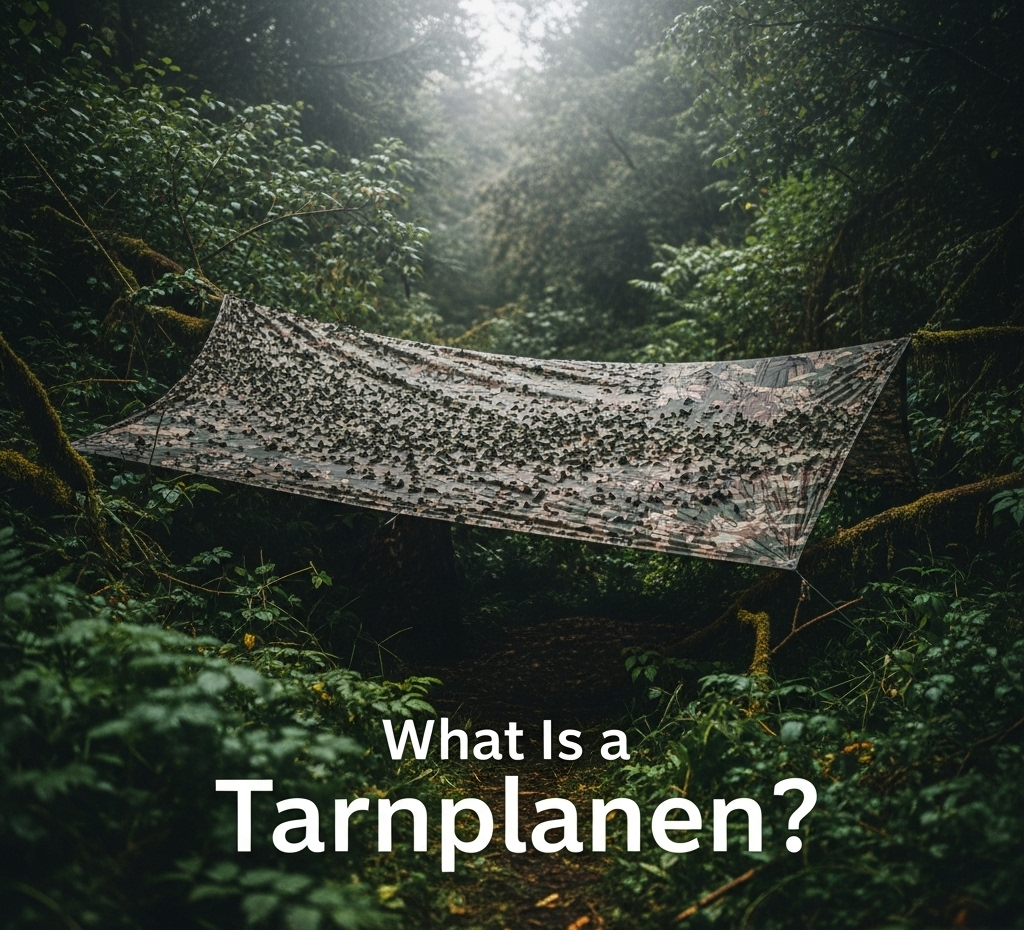
The Complete Guide to Tarnplanen (Camouflage Tarpaulins) in 2025
Camouflage has come a long way since its early military origins, and one product that perfectly embodies that evolution is the tarnplanen a German term that literally translates to camouflage tarpaulin. Whether you’re gearing up for a tactical field exercise, setting up an ultralight bush‑craft shelter, or looking to mask expensive equipment on a construction site, tarnplanen offer rugged versatility that plain tarps just can’t match.
Below you’ll find a deep dive (≈ 1,500 words) covering every angle: what makes a tarnplanen unique, core materials, real‑world case studies, care & maintenance, current market sizing, and a straightforward buying checklist you can trust.
1. Etymology & Quick Definition
| German Root | Meaning | Combined Term |
|---|---|---|
| Tarn‑ | Camouflage, concealment | |
| Planen | Tarpaulins, heavy‑duty canvas sheets | |
| Tarnplanen | Camouflage tarpaulin: a reinforced sheet designed to hide or blend vehicles, gear, or shelters into surrounding terrain |
2. Why Tarnplanen Still Matter in 2025
-
Operational Security (OPSEC): In conflict or peace‑keeping zones, concealing vehicles and supply caches is mission‑critical. Modern drones with high‑res optics make visual camouflage more valuable than ever.
-
Outdoor Minimalism: Ultralight backpackers swap heavy tents for camouflage tarps that serve as shelters, ground sheets, and gear covers in one.
-
Civilian Privacy: Emergency preppers use tarnplanen to keep valuable supplies out of sight after natural disasters.
-
Eco‑Tourism & Wildlife Photography: Blending observational hides into sensitive habitats prevents stressing local wildlife, aligning with Leave‑No‑Trace ethics.
3. Common Materials & Construction
| Fabric | Typical GSM | Key Pros | Potential Cons | Best Use |
|---|---|---|---|---|
| Polyester Ripstop (PU‑coated) | 65–90 gsm | Light, mildew‑resistant, quick‑dry | Less heat‑resistant | Ultralight shelters |
| Nylon 210D / 420D (Sil‑nylon) | 70–110 gsm | High tear strength, slippery for snow shed | UV degradation over years | 3‑season backpacking |
| Poly‑Cotton Canvas (treated) | 300–450 gsm | Breathable, less noisy, fire‑retardant | Heavier, longer dry time | Military & bush‑craft |
| PVC‑laminated Vinyl | 500–680 gsm | 100% waterproof, oil/chemical proof | Bulky, stiffer in cold | Construction & heavy gear |
Reinforcements:
-
Heat‑sealed seams or double‑stitched hems
-
Brass or stainless grommets at 50 cm intervals
-
Optional webbing loops for “guy‑out” points
4. Pattern Science: Beyond Woodland & Digital Camo
4.1 Terrain‑Specific Palettes
-
Flecktarn (temperate woodland): German Bundeswehr original—still excellent in mixed European forests.
-
Desert Tri‑Color & Tropentarn: Sand/beige dominant for arid zones.
-
Snow Overprint: White‑noise pattern for sub‑zero operations, usually applied as a reversible side.
4.2 IR & Thermal Management
Cutting‑edge tarnplanen incorporate micro‑metallic pigments to scatter near‑infrared (NIR) light, reducing visibility to night‑vision devices. Premium military‑grade fabrics also embed nano‑ceramic spheres to disrupt long‑wave thermal signatures.
5. Sizing Guide: From Solo Hunt to Heavy Haul
| Size (m) | Square Meters | Typical Application |
|---|---|---|
| 2 × 3 | 6 m² | Rifle hide / one‑person tarp shelter |
| 3 × 4 | 12 m² | ATV or small 4WD concealment, 2‑person fly |
| 4 × 6 | 24 m² | Pickup truck, command post awning |
| 6 × 8 | 48 m² | Light‑armored vehicle, field hospital annex |
| 8 × 12 | 96 m² | Tank column staging, base‑camp mess hall |
Pro Tip: Over‑spec by ~20% to allow for sloping ridgelines and gear haul‑off.
6. Real‑World Case Studies
6.1 Disaster Response in Southern Europe (2024)
During flash floods in Northern Italy, rescue teams used IR‑treated tarnplanen to hide high‑value medical stores from looters while drones patrolled the zone. Zero theft incidents were reported, demonstrating that visual and IR concealment can deter opportunistic crime even in civilian crises.
6.2 Wildlife Conservation in Borneo (2023)
Researchers tracking orangutan populations deployed lightweight sil‑nylon tarnplanen as portable blinds. Observation hours increased by 35% because the animals didn’t perceive the blinds as threats, confirming the effectiveness of camouflage tarps in eco‑studies.
6.3 NATO Field Exercises in Poland (2025)
Mechanized units reduced aerial detection time by 42 % vs. plain olive tarps by switching to new digital‑multispectral vinyl tarnplanen, as measured by opposing‑force RPAS (remotely piloted aircraft systems) logs.
7. Care & Maintenance
-
Shake, Don’t Scrub: Remove loose soil; harsh brushing can break water‑repellent coatings.
-
Mild Soap Only: Use pH‑neutral soap (7.0 ± 0.5). Avoid bleach and strong solvents.
-
Line‑Dry in Shade: UV rays degrade PU, PVC, and even canvas coatings over time.
-
Reproof Annually: For PU or canvas tarps, apply silicone or wax‑based re‑proofing spray every 12–18 months.
-
Patch > Replace: Carry a self‑adhesive ripstop repair kit; field patches extend life and cut landfill waste.
8. Buying Checklist (2025 Edition)
| 🚩 Item to Verify | What “Good” Looks Like |
|---|---|
| Material & GSM | Matches your terrain, season, and weight budget |
| Camouflage Pattern | Certified IR/NIR suppressive if needed |
| Seam Quality | Heat‑taped or double lock‑stitched |
| Grommets & Loops | Rust‑proof metal every 50 cm; reinforced webbing loops |
| Fire Retardancy | Meets CPAI‑84 or equivalent for open‑flame zones |
| Warranty | Minimum 12 months; 36 months ideal on premium lines |
| Ethical Sourcing | ISO 14001 factories or bluesign‑approved fabrics |
10. Frequently Asked Questions (FAQs)
Q1. Is a tarnplanen legal for civilian use?
Generally yes. In most countries, camouflage tarps are treated like any normal shelter material. Check local regulations if you plan to cover license plates or hide property in a way that could hinder law‑enforcement.
Q2. How does a tarnplanen differ from a regular tarp?
Beyond the pattern, true tarnplanen incorporate IR‑diffusing pigments and higher GSM fabrics for abrasion resistance. Cheap camo‑printed tarps often use low‑quality inks that fade within a season.
Q3. Can I machine‑wash my sil‑nylon tarnplanen?
Avoid full washing machines; the agitator stresses seam‑tape. Instead, soak in lukewarm water, gently hand‑agitate, rinse, and line‑dry.
Q4. What’s the lifespan of a PVC camouflage tarp on a construction site?
Expect 3–5 years under daily sun if you rotate stress points and clean off oils promptly. Without maintenance it can drop to 1–2 years.












Leave a Reply