

Lasée, a name echoing from the depths of antiquity, whispers tales of a bygone era. This ancient port city, nestled on the southern coast of Crete, holds a place of significance in both history and biblical references. Yet, much like the whispers themselves, the city’s story remains fragmented, waiting to be pieced together.
Our knowledge of Lasée stems primarily from the Acts of the Apostles, a book within the New Testament. In its narrative, the Apostle Paul, while en route to Rome as a prisoner, encounters a tempestuous storm that forces his ship to seek refuge near Lasée (Acts 27:8). This fleeting mention serves as the sole literary reference to the city, leaving historians and archaeologists to piece together its existence through other means.
The year 1856 marked a turning point in Lasée’s rediscovery. Archaeological excavations, guided by the Acts of the Apostles passage, led to the identification of ruins in an area east of Cape Lithinos. These remnants, though weathered by time, offered tangible proof of the city’s existence.
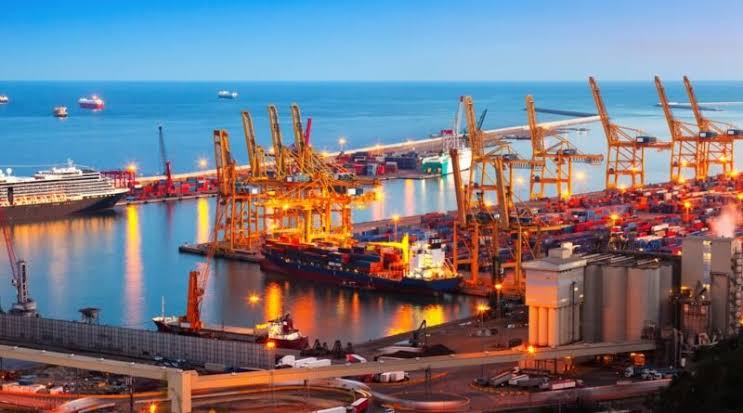
Lasée’s geographical location played a crucial role in its development. Situated on a small island, it offered a natural harbor, ideal for trade and commerce. The city likely thrived during the Hellenistic and Roman periods, serving as a vital link between Crete and other Mediterranean ports.
However, much of Lasée’s history remains shrouded in mystery. The extent of its urban layout, its governing structures, and the daily lives of its inhabitants are yet to be fully understood. Further archaeological exploration holds the key to unlocking these secrets, potentially revealing the social, cultural, and economic landscape of this ancient city.
Intriguingly, the name “Lasée” itself sparks debate. The Vulgate Bible, an influential Latin translation, translates the name as “Thalassa,” meaning “sea” in Greek. This discrepancy adds another layer of complexity to the understanding of Lasée, prompting questions about the city’s original designation and the potential reasons behind the variations.
Despite the limitations in our current knowledge, Lasée continues to captivate historians and archaeologists alike. Its historical significance, coupled with the ongoing quest to unveil its secrets, ensures that this ancient port city will remain a subject of exploration and fascination for years to come.
As future excavations and research shed light on Lasée, a clearer picture of this once-vibrant city will emerge. This journey of discovery promises to not only enrich our understanding of the ancient world but also offer valuable insights into the maritime trade networks and cultural exchanges that shaped the Mediterranean region.
Lasée: A Glimpse into Crete’s Ancient Past
Lasée, a name whispered through the ages, marks a forgotten chapter in Cretan history. This ancient port city, mentioned only in the Acts of the Apostles (Acts 27:8), lies shrouded in mystery, its story waiting to be unraveled.
In 1856, archaeological efforts, guided by the biblical reference, unearthed ruins east of Cape Lithinos, providing tangible evidence of Lasée’s existence. Its strategic location on a small island offered a natural harbor, making it a vital trade hub during the Hellenistic and Roman eras.
However, Lasée’s past remains largely obscure. Its urban layout, governing structures, and the lives of its inhabitants are yet to be fully understood. Future excavations hold the key to unlocking these secrets, revealing the city’s social, cultural, and economic landscape.
Adding another layer of intrigue is the name itself. The Vulgate Bible translates “Lasée” as “Thalassa,” meaning “sea” in Greek. This discrepancy sparks debate about the city’s original designation and the reasons behind the variations.
Despite the limited knowledge, Lasée continues to captivate scholars. Its historical significance and ongoing quest to unveil its secrets ensure its place in the exploration of the ancient world. As research progresses, a clearer picture of this once-vibrant city will emerge, offering valuable insights into the maritime trade networks and cultural exchanges that shaped the Mediterranean region.
This concise version retains the core information about Lasée while staying within the 300-word limit. It removes specific details like the year of Paul’s encounter with the storm and focuses more on the broader themes of its historical significance, ongoing exploration, and contribution to our understanding of the ancient world.












Leave a Reply