


Can AI Replace Photographers in the Future?
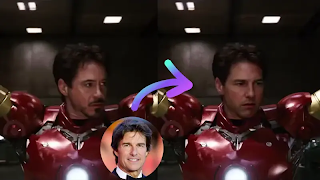
AI technology has the potential to replace photographers due to advancements in image generation, allowing AI systems to create realistic images without human intervention. Companies like DALL-E, Stable Diffusion, and Midjourney have demonstrated AI’s ability to generate images resembling photographs quickly. Ethical concerns arise regarding AI-generated art, particularly related to intellectual property rights and the potential exploitation of original creators’ work. The future implications of AI image creators are significant, as they pose a threat to professional photographers and visual artists. By automating tasks such as responding to internet trends, creating content for social media, e-commerce, and advertising, and generating visuals for websites without human input, this technology could render photographers unnecessary for image creation.
The introduction of advanced AI image creators raises not only financial concerns for photographers but also mental health implications. The prospect of AI replacing jobs that individuals are passionate about can have emotional impacts. As AI technology advances and potentially replaces human creatives in various industries, it is crucial to consider the broader societal implications beyond economic factors.
Challenges Posed by AI Image Creators
AI image creators face challenges related to bias in generated images, perpetuating stereotypes, and biases in outputs. Tools have been criticized for depicting white male CEOs, portraying women in stereotypical roles, and associating dark-skinned men with criminal activities. These biases raise ethical concerns about the accuracy and harm caused by such representations.
Efforts to promote diversity in AI-generated images have led to unintended consequences, including backlash for potentially inappropriate depictions of historical figures. The use of internet data poses challenges due to inaccuracies and misinformation, risking the propagation of false or outdated content through generated images. AI tools struggle to discern between reliable and unreliable sources, potentially resulting in misleading visual outputs that lack factual accuracy. Legal and ethical issues also arise regarding intellectual property rights and copyright infringement in AI-generated images. Lawsuits have been filed against companies for using copyrighted material without permission. The legal landscape surrounding generative AI is complex, raising questions about content ownership and liability for users disseminating misleading or infringing visual content.
Implications for the Photography Industry
The rise of AI image creators poses a significant challenge to photographers across various genres, including commercial, portrait, and product photography. As AI systems become more sophisticated and capable of mimicking different styles and techniques, there is growing concern that they could replace human photographers in certain areas. For instance, AI-generated images may be used in advertising, e-commerce product photography, and other visual content creation tasks traditionally handled by photographers.
Preparing for the Future
To prepare for the potential impact of AI on the photography industry, professionals may need to adapt their skills and embrace technology as a complementary tool rather than a replacement. Developing unique artistic styles, focusing on creative storytelling, and leveraging personal connections with clients are strategies that can help photographers differentiate themselves from AI-generated content. Additionally, staying informed about advancements in AI technology and exploring new opportunities for collaboration with AI systems can help photographers navigate the evolving landscape of visual art creation.
In conclusion
AI technology has the potential to replace photographers in the future, as advancements in image generation allow AI systems to create realistic images without human intervention. This raises ethical concerns regarding intellectual property rights and the potential exploitation of original creators’ work. AI image creators also face challenges related to bias in generated images, perpetuating stereotypes and biases in outputs. The rise of AI image creators poses a significant challenge to professional photographers across various genres, and professionals may need to adapt their skills and embrace technology as a complementary tool to prepare for the potential impact of AI on the photography industry.







Leave a Reply