

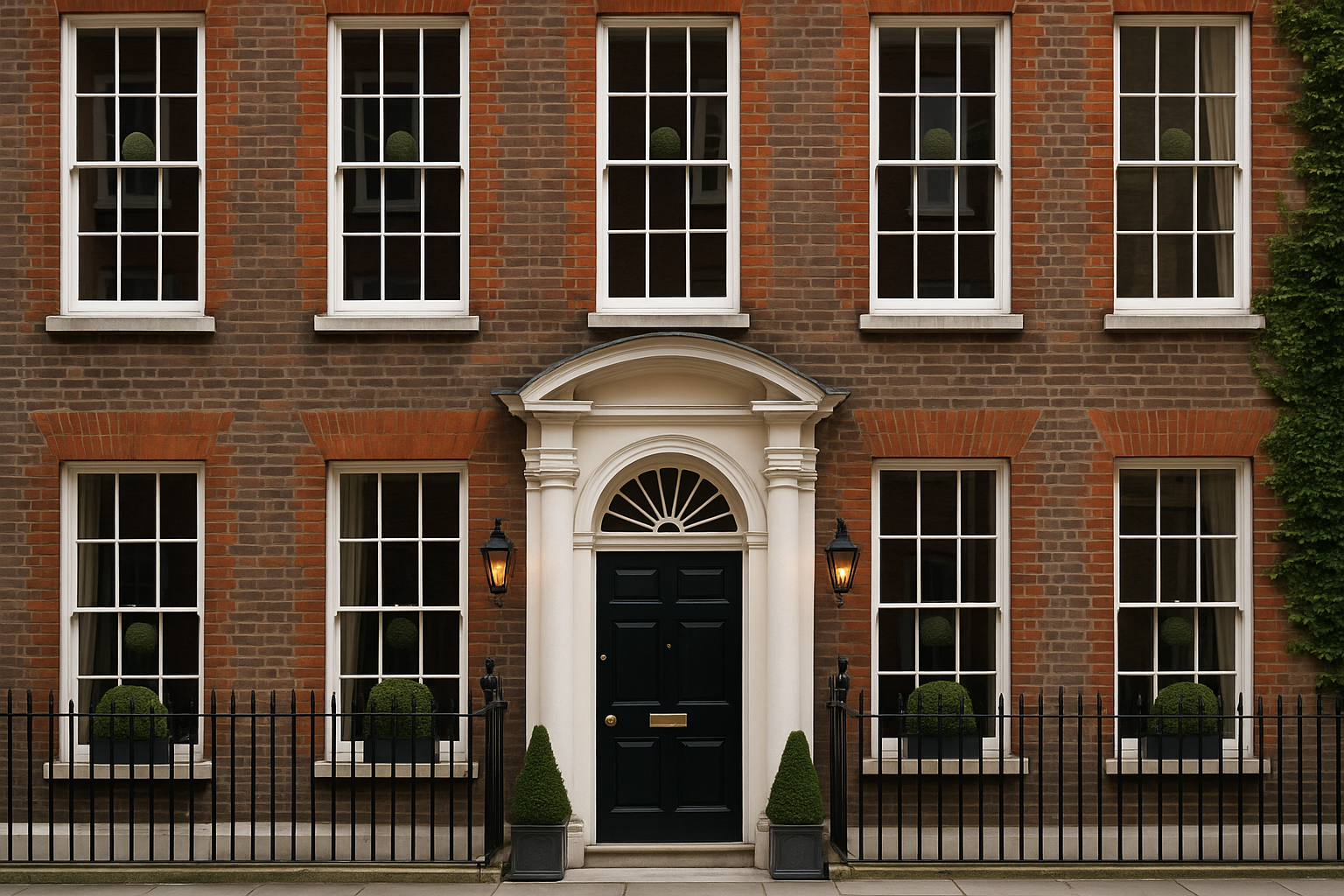
London has endless places to eat, drink, shop, or just walk. But there’s another layer you don’t just stumble into. Behind discreet doors and quiet facades are the membership-only venues where the tone shifts completely. These are the spaces built not just for service, but for status. What actually makes them different? That’s what we’re looking at here.
A Tradition Of Privacy
Membership venues in London aren’t a modern idea. They trace back centuries, when society circles built private rooms to gather, talk, and do business away from the noise outside. The point wasn’t just comfort, it was privacy. Who you were seen with mattered. Where you were seen mattered.
That hasn’t really changed. People still look for rooms that feel cut off, where the outside only comes in if you let it.
Doors That Don’t Open For Everyone
One of the first things that sets these places apart is the entry itself. You can’t simply decide to walk in. There’s usually an application, sometimes a waiting list, sometimes even a recommendation needed. It’s not only about the money, though that obviously plays a role. It’s about who fits, who adds to the space, who doesn’t break the atmosphere.
That careful selection process is what builds the sense of belonging. The idea that, once inside, everyone else has gone through the same filter. It makes the room feel smaller, tighter, more protected.
Interiors That Tell A Story
Step inside one of these venues and the details matter. Heavy wood, plush seating, dim light in some cases, bold modern design in others. It’s not just décor for the sake of it.
Some lean into the past — portraits on the walls, shelves of old books, chandeliers that look like they’ve been there forever. Others flip it, all clean glass, sharp design, shifting art. Either way, the design says: you are not in an ordinary restaurant or lounge. This is something else.
And often you’ll find a mix of old and new under one roof, a Georgian townhouse hiding a minimalist dining room inside. That blend is very London — tradition layered with modern edge.
Service That Remembers
Another difference is the staff. In exclusive venues, service runs deeper than carrying drinks or delivering plates. The best staff remember names, preferences, even conversations from weeks before. There’s a continuity to it.
Regulars don’t need to order twice. They sit, and their drink appears. A dish they loved months back reappears without them asking. That memory — the feeling of being known — is what separates these spaces from anywhere else.
And because membership means you’re likely to return again and again, the staff build relationships that feel almost personal.
Dining Beyond Food
Food is always part of the picture, but it isn’t just about the menu. The kitchens here work to bring more than taste — presentation, atmosphere, and exclusivity tie in. Some menus are kept quiet, known only to those who’ve sat down to eat. Seasonal changes are expected, with ingredients sourced at the very top end.
Meals become events. A table booked isn’t just for eating, it’s for hosting, for impressing, for marking something. The space itself becomes a backdrop, amplifying whatever reason brought you there.
Networks And Conversations
What really draws people to membership venues is the network. The walls protect conversations that don’t belong on a public street. Deals are made here. Partnerships are built here. Sometimes it’s casual talk over a glass of wine, sometimes it’s major decisions sketched on a napkin.
It’s not networking in the forced sense, either. The filter at the door means you’re already among peers, or people whose paths matter to yours. That makes interactions feel organic, more natural, even if everyone knows why they’re there.
Culture, Art, And Atmosphere
Many of London’s membership spaces lean heavily on culture. Art collections line the walls. Books fill shelves you’re free to browse. Some even commission new work just for their rooms. A Tape London table means access to some of the best private live performances by the biggest celebrities.
This cultural layer is important. It turns the venue into more than a place to eat and talk. It becomes a backdrop for creative energy, something members can point to as part of their own lifestyle.
Walking through, you often feel that mix — one room might have jazz in the background, another a painting worth millions hanging unannounced on the wall. It’s understated but deliberate.
The Balance Of Old And New
London does something special with its exclusive venues. Old and new sit side by side. A building might date back centuries, with ties to politics or art, but the inside keeps getting redone to match the times. That mix — history at the door, modern comfort inside — gives these places their pull. You step through the door and feel the weight of the past, but sit down in a room that feels very much of the present.
Why People Keep Coming Back
For members, the appeal isn’t just one thing. It’s the mix of things: privacy, recognition, design, food, the people in the room. It’s knowing you’ve got a space waiting for you whenever you want it.
It’s also the stories. Everyone leaves with something. A conversation worth remembering, a meal that stayed with them, a moment tied to that room and nowhere else. Those stories stick to the place.
The Subtle Power Of Belonging
At its core, what sets these venues apart is the feeling of belonging to something rare. The outside world can feel chaotic, public, unpredictable. Step inside here and it’s curated, contained, predictable in the best way.
You know the people beside you are there for similar reasons. You know the staff are ready before you ask. You know the design, the culture, the atmosphere is tuned to a level that doesn’t exist outside those doors.
That’s why the names of these places matter. They become shorthand. Mention them and people instantly understand what circle you move in. Sometimes it’s low-key, sometimes it’s shown off. But there’s always meaning behind it.
Looking Ahead
Exclusive venues in London aren’t disappearing. If anything, they’re becoming more sought after as the city grows busier and noisier. The desire for spaces set apart, where life feels slowed down and carefully managed, is only getting stronger.
Future changes will likely blend technology and tradition — digital tools for access or booking, alongside timeless interiors and old-school service. Sustainability will come into play as well, with pressure to align luxury with responsibility.
But the core appeal won’t shift. These are spaces for privacy, for recognition, for conversations that matter. They are rooms where life happens differently, quieter but somehow bigger at the same time.














Leave a Reply