

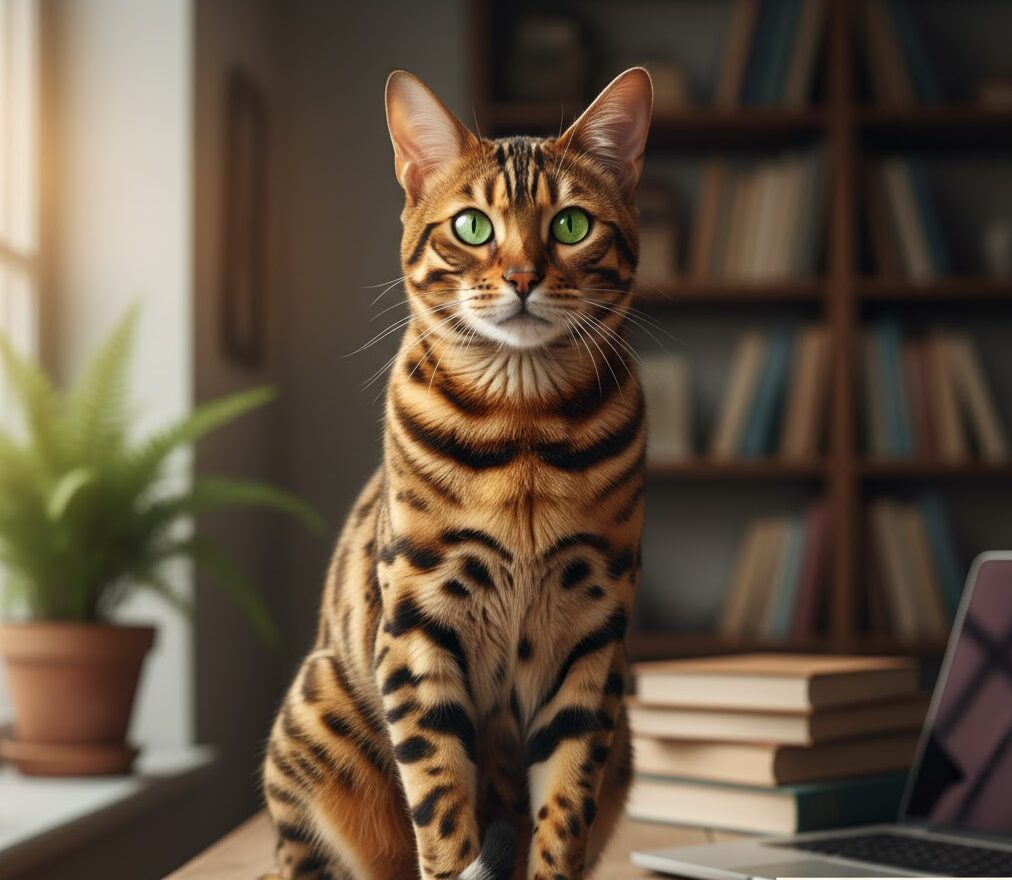
Bengal cats blend the drama of the wild with the companionship of a domestic pet. Known for their striking appearance, high energy, and affectionate personalities, Bengals have earned a dedicated following. This guide offers practical, evidence-backed insights to help you decide if a Bengal is right for you, how to care for one, and how to ensure a harmonious household.
What Is a Bengal Cat?
Origins and breed profile
- Bengals are a hybrid breed, created by crossing the domestic cat (Felis catus) with the Asian leopard cat (Prionailurus bengalensis) in the 1960s and 1970s.
- They matured into a domestic breed over generations, retaining many wild-looking traits while becoming well-suited for modern homes.
- Commonly recognized coat patterns include: spotted, rosetted, and marbled. Coat colors range from warm browns and golds to silvery and snow variations in some lines.
Temperament and personality
- Bengals are typically active, curious, and highly intelligent.
- They often seek interaction, enjoy interactive play, and may learn tricks or engage with puzzle feeders.
- They tend to form strong bonds with their human companions and can be vocal, expressive, and social.
Practical Consider: Are Bengals Right for You?
Pros
- High intelligence and trainability (clicker training, toy-solving, lightweight tricks).
- Engaging, active play style; great for families with time for interactive enrichment.
- Striking, exotic appearance without compromising domestic temperament.
- Often good with children and other pets when properly socialized.
Cons and challenges
- Very high energy: requires daily play sessions, environmental enrichment, and stimulation.
- Potential for “escape room” curiosity: Bengals are athletic climbers and may test boundaries.
- Grooming varies: short to mid-length coats are low to moderate maintenance, but some individuals have dense fur or skin sensitivities.
- Not ideal for quiet, low-energy households or first-time cat owners without a plan for enrichment.
Time and financial commitments
- Daily engagement: 20–60 minutes of dedicated play or training.
- Enrichment costs: interactive toys, puzzle feeders, climbing structures, and window perches.
- Veterinary care: Bengals are generally healthy but can be prone to certain hereditary issues; routine preventive care remains essential.
Caring for Your Bengal: Habitat, enrichment, and daily routines
Environment and enrichment
- Provide vertical space: multiple cat trees, shelves, and secure perches to satisfy climbing instincts.
- Interactive play: use wand toys, laser pointers, and puzzle feeders to challenge both mind and body.
- Safe exploration: create a butterfly-friendly window view, a supervised outdoor enclosure, or a secure catio if you live in a safe area.
- Sensory variety: rotate toys weekly, offer different textures, and include cardboard scratchers or puzzle feeders.
Nutrition and feeding
- Diet: high-quality commercial cat food appropriate to life stage (kitten, adult, senior). Bengals benefit from protein-rich diets.
- Feeding pattern: consider multiple small meals or timed feeders to mirror natural foraging behavior.
- Hydration: ensure fresh water available at all times; some Bengals enjoy running water from a cat fountain.
- Weight management: monitor body condition; Bengals can be lean but should have visible waistlines and healthy muscle.
Grooming and health
- Coat care: short-to-medium coats typically require weekly brushing; more during shedding seasons.
- Dental health: brush teeth or provide dental-specific treats; routine dental checkups are important.
- Ear and eye care: check for discharge; clean ears as needed with vet-approved solutions.
- Common health considerations: Bengals are generally healthy but can be predisposed to:
- Hypertrophic cardiomyopathy (HCM) in some lines; annual or biennial cardiac screening may be recommended.
- Progressive retinal atrophy (PRA) in rare cases.
- Hip or joint issues in certain lineages; monitor for mobility changes.
- Vet visits: schedule regular preventive care, vaccinations, parasite control, and annual wellness exams.
Training and behavior
- Socialization: early socialization with people and other pets improves harmony; expose the kitten to varied environments.
- Training approach: positive reinforcement-based methods (treats, praise, play) yield the best results.
- Boundaries: establish safe zones and provide outlets for excess energy; Bengals can become stressed or destructive if bored.
Bengals with Families, Kids, and Other Pets
With children
- Generally affectionate and playful with kids who treat them gently and respectfully.
- Supervise interactions to prevent accidental rough play, especially with very young children.
With other pets
- Bengals often do well with other cats and cats-friendly dogs when properly introduced.
- Introductions should be gradual: separate spaces initially, controlled meetings, and ample enrichment.
Suitability for apartments vs. houses
- Apartment living is possible with strong enrichment and daily play, but a Bengal’s need for activity makes access to vertical space and a dependable routine important.
- Houses with safe outdoor access or enclosed catios can enhance quality of life.
Choosing the Right Bengal: Breeder, Rescue, and Adoption Tips
Finding a reputable breeder
- Look for breeders who screen for genetic and health issues, provide health clearances, and socialize kittens.
- Ask about lineage, anticipated temperament, and welfare standards at the breeder’s facility.
- Avoid breeders who prioritize color or pattern at the expense of health and temperament.
Rescue and adoption
- Consider Bengal rescue groups or shelters; many Bengals need homes regardless of age.
- Adoption readiness: ensure you have time, space, and resources to meet an active Bengal’s needs.
Common Myths About Bengal Cats
- Myth: Bengals are fully wild and unsuitable as house pets.
- Reality: Bengals are domestic cats with wild ancestry; they are generally safe and affectionate companions when raised and socialized properly.
- Myth: Bengals are always destructive and untrainable.
- Reality: With consistent enrichment, training, and boundaries, Bengals can be well-behaved and highly trainable.
- Myth: Bengals require exotic diets.
- Reality: A balanced, veterinarian-recommended diet suffices; there is no need for unverified or exotic regimens.
Practical Takeaways: Quick-start Plan for Prospective Bengal Owners
- Assess your lifestyle: Do you have time for daily play and enrichment? Are you prepared for a lively, intelligent companion?
- Set up an enriching environment: vertical space, interactive toys, puzzle feeders, and safe windows.
- Choose the right source: select a reputable breeder or rescue with health-tested animals and proper socialization.
- Develop a routine: consistent feeding, play, grooming, and vet visits.
- Plan for ongoing enrichment: rotate toys, introduce new puzzles, and schedule regular training sessions.
Frequently Asked Questions (FAQ)
- Are Bengal cats hypoallergenic?
- No cat is truly hypoallergenic. Bengals may produce fewer allergens for some people, but individual responses vary.
- How much exercise does a Bengal need?
- Bengals typically require 20–60 minutes of structured activity daily, plus additional free play and enrichment.
- Are Bengals good with children?
- Many Bengals are patient and playful with children, especially when socialized early. Supervised interactions are important.
- Do Bengals shed a lot?
- Bengals shed seasonally and generally require regular brushing; frequency depends on coat type and season.
- What health issues should I watch for in Bengals?
- Be aware of potential cardiac conditions like HCM, dental issues, and obesity if activity is insufficient. Regular veterinary care is essential.
- Can Bengals live in small apartments?
- Yes, with ample enrichment, vertical space, and a daily play routine. Access to windows and interactive toys helps.
- What should I look for in a Bengal breeder or rescue?
- Health testing, socialization history, transparent lineage, and welfare practices. Ask about temperament, age, and adopter support.
Conclusion: The Bengal Experience
A Bengal cat is more than a striking coat and wild look. It’s a dynamic, intelligent, and affectionate companion that thrives in an environment that challenges both body and mind. With thoughtful preparation, consistent enrichment, and a commitment to humane care, a Bengal can become a loyal, captivating member of your family. If you’re ready for an active partner who turns everyday moments into adventures, a Bengal might be the perfect addition to your home.
More Related Links













Leave a Reply